
On this page you’ll find a list of members of the International Repatriation Network, their contact details, their areas of interest, how they might be able to help, or who they’re looking to work with.
Please note that this is not a list of everyone who is part of the network, it is a list of those who have consented for their information to be published on the directory. If you would like to join the International Repatriation Network then please click here to join.
We are working to make the directory searchable, but in the meantime you can use CTRL (or Command) + F to search for the geographic area or any other search terms you might be looking for.
If you would like to contact any of the network members directly, please use our contact form.
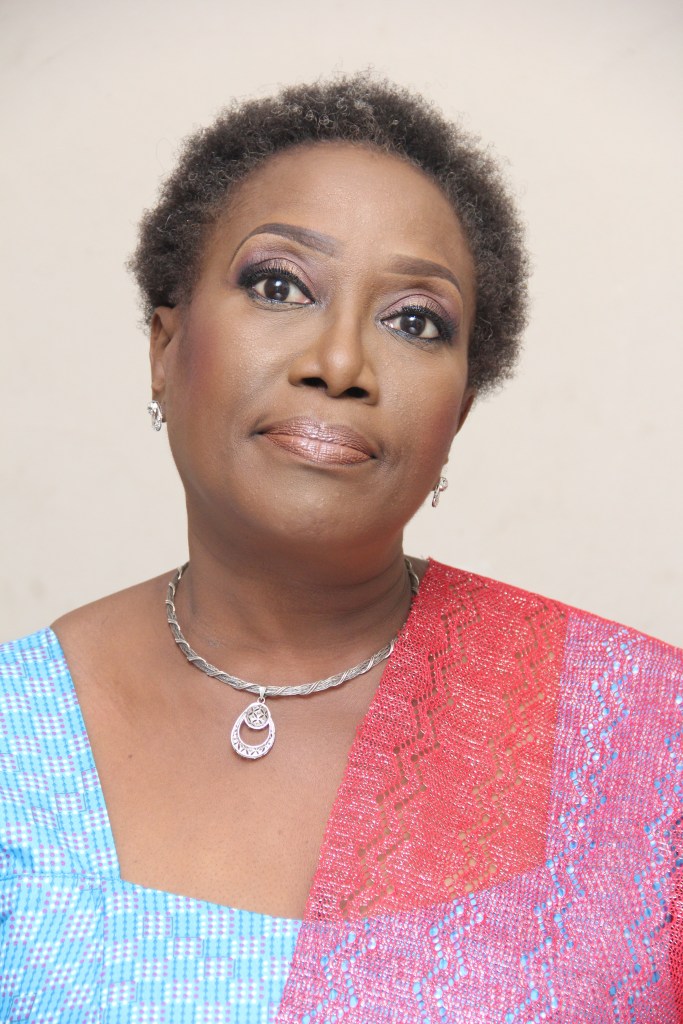
Kokunre Agbontaen-Eghafona
Benin City, Nigeria
Kokunre Agbontaen-Eghafona is a Professor of Anthropology at the University of Benin, Benin City, Nigeria. She holds a B.A. (Hons.) and M.A. in History (University of Benin); M.Sc. Archaeology (University of Ibadan); Professional Certificate in Museum Studies (New York University); Ph.D. Archaeology (cultural resource management and museum studies). She is one of the Principal Investigators for the Digital Benin project. Her research interests include oral literature, ethnography of the Benin people of Nigeria, heritage management, and indigenous knowledge systems.
Marina de Alarcon
Curator and Head of Collections at the Pitt Rivers Museum, University of Oxford, UK
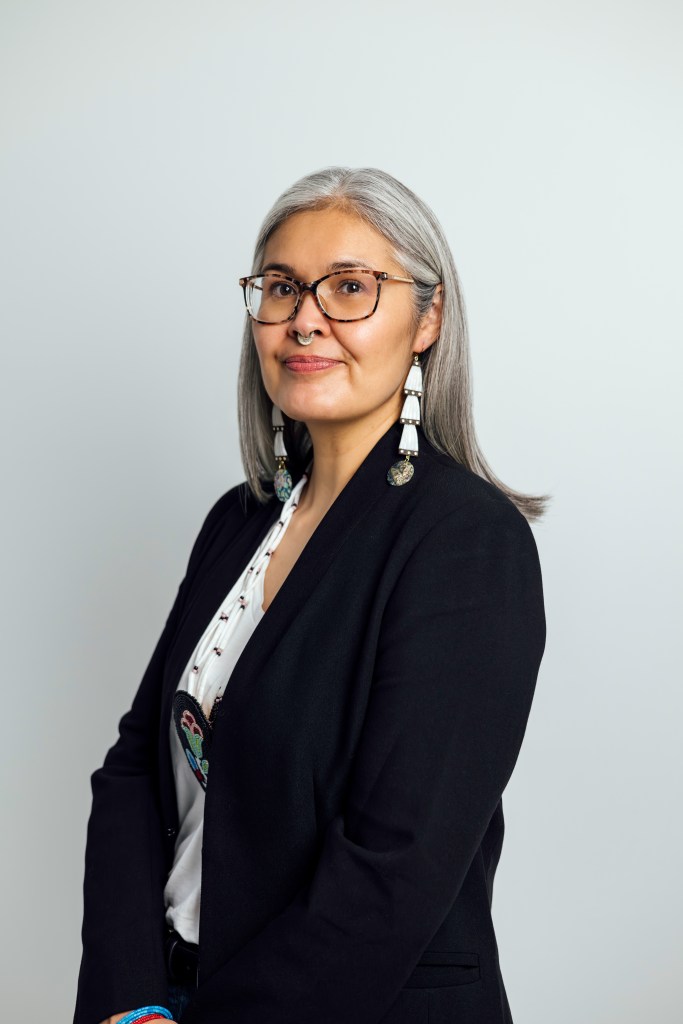
Elaine Alexie
Arctic, Sub-Arctic, Canada, Yukon, NWT, USA, Alaska, Circumpolar
PhD Indigenous studies student at the University of Alberta. My research examines the importance of Gwich’in cultural belongings housed in museum collections for cultural practice and storytelling continuity. I am also a hide tanner, practising bead and sewing artist and member of the Teetł’it Gwich’in First Nation from northern Canada.
Audrey Andrews
North America
Audrey Andrews is a Ph.D. candidate in anthropology at the University of Nevada, Reno. She is currently serving as a National NAGPRA Fellow for the National Park Service through the American Conservation Experience and teaches at Salt Lake Community College.
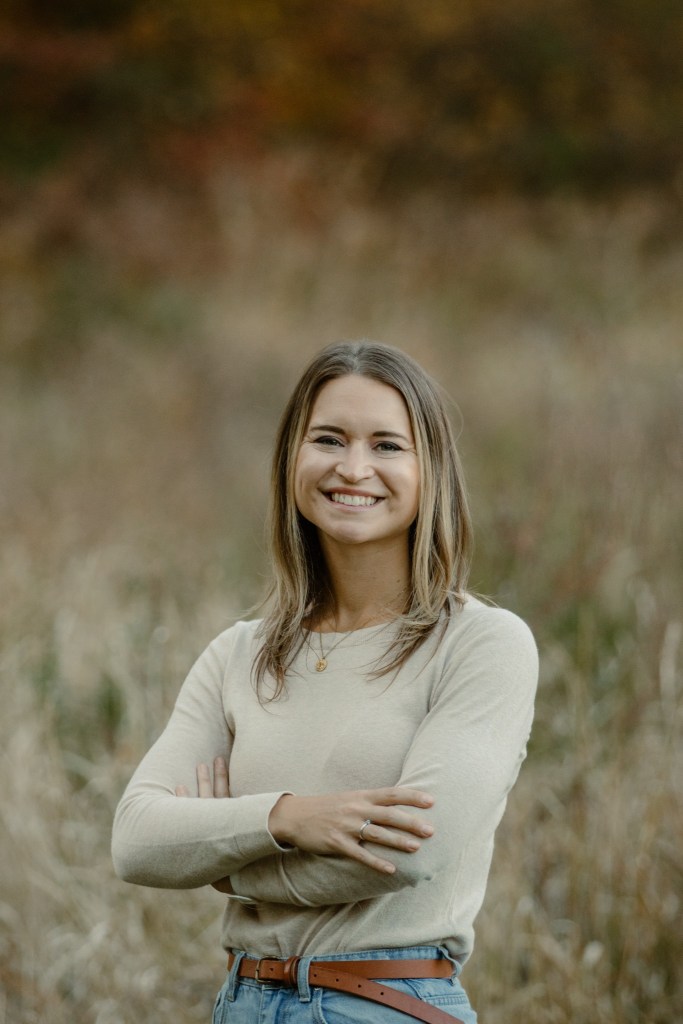
Caroline Angle Maguire
Africa
Caroline Angle Maguire is a Provenance Researcher at the Smithsonian’s National Museum of African Art, where she works to publish the histories of collection items and pursue the Smithsonian’s policy of Shared Stewardship and Ethical Returns. She received her Ph.D. in History from the University of Maryland in 2024. Her work has been published in the African Studies Review, the Journal of West African History, and the Journal of Contemporary History.
Isabella Atencio
USA, Europe
Isabella is an independent researcher currently based in North Carolina. Having completed her PhD titled ‘Learning from the Past: Developing a Process for Resolving Native American Cultural Property Claims through the Analysis of NAGPRA and Nazi-era Claims Processes’ through the University of Warwick in 2024, she is now working on a monograph. She is particularly concerned with the hidden values and interests at play in cultural property return.

Fiona Batt
Global and more specifically Africa
Dr Fiona Batt holds a PhD, LLM, PGCE (PCE) and LLB in law. She is a human rights lawyer with expertise in heritage protection and repatriation. She leads the Repatriation of Cultural Heritage Division at the University of Bristol Law School, Human Rights Implementation Centre where she is an honorary research fellow. Additionally, Fiona is the legal heritage advisor for the Singida, Heritage and Archeology Project (SHARP) in Tanzania and a member of the European Association of Archaeologists. Her publications include ‘Ancient indigenous human remains and the law’ published by Routledge and ‘The repatriation of African cultural heritage: shutting the door on the imperialist narrative, published in the African Human Rights Yearbook.
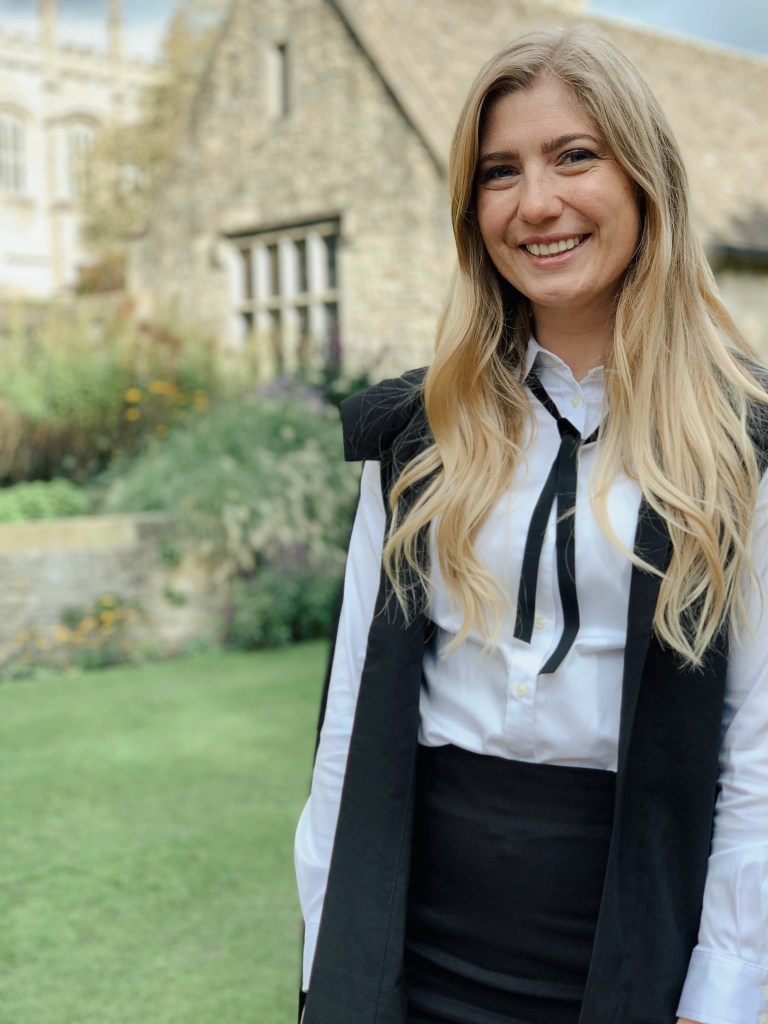
Berklee Baum
North America, Australia, Southern Africa, United Kingdom, Germany
Dr. Berklee Baum recently received her DPhil in History from the University of Oxford. Her work revolves around the memorialization of violence, specifically surrounding colonial genocide. She focuses on statues, memorials, exhibitions, and museums. She is currently in the process of founding a charity that aims to fund the repatriation of ancestral remains and cultural objects from museums and institution in the UK back to Aboriginal, First, and Native Nations across the globe. Please contact me if you are involved with the repatriation of items from the UK and are in need of funding.
Elena Baylis
United States, Worldwide
Elena Baylis is a Professor of Law at the University of Pittsburgh Law School. Her repatriation research focuses on international repatriations of cultural heritage taken under colonialism and domestic repatriation under the U.S. Native American Graves Protection and Repatriation Act. She is an expert in post-conflict and transitional justice.

Jan Bernstein
All corners of the world from which Ancestors and cultural items/cultural relatives were removed
Jan is the founder and managing director of Bernstein & Associates NAGPRA Consultants. She guides the firm in assisting with institutions, federal agencies, municipalities, state agencies, and Tribes to build capacity and ensure compliance with the Native American Graves Protection and Repatriation Act (NAGPRA), as well as voluntary and international repatriations. Bernstein & Associates provides a wide range of services, including training and mentoring; compliance support for NAGPRA’s Summary, Inventory, Repatriation, and Discovery provisions; consultation planning, facilitation, and documentation; grant proposal development; and non-invasive osteological examination, consistent with 43 CFR 10.1(d) Duty of Care. The firm also maintains a Tribal Nation/Native Hawaiian organization contact database.

Benjamín Candia
Sudamerica, Pueblos Andinos
Anthropologist graduated from the Universidad Academia de Humanismo Cristiano (Chile), with a thesis on the repatriation of Atacameño Indigenous ancestors’ remains (2022). He is a Master’s candidate in Historical-Archaeological Studies at the Universidad de Buenos Aires (Argentina). His research focuses on repatriation, restitution, and reburial demands concerning human remains and cultural objects of the Atacameño Lickanantay people. He also explores Andean beliefs about ancestors and death to understand the significance of their return. He is part of the project “Patrimonialización y coleccionismo de cuerpos indígenas en territorio Atacameño,” which seeks to trace the whereabouts of Lickanantay ancestors for future repatriation.
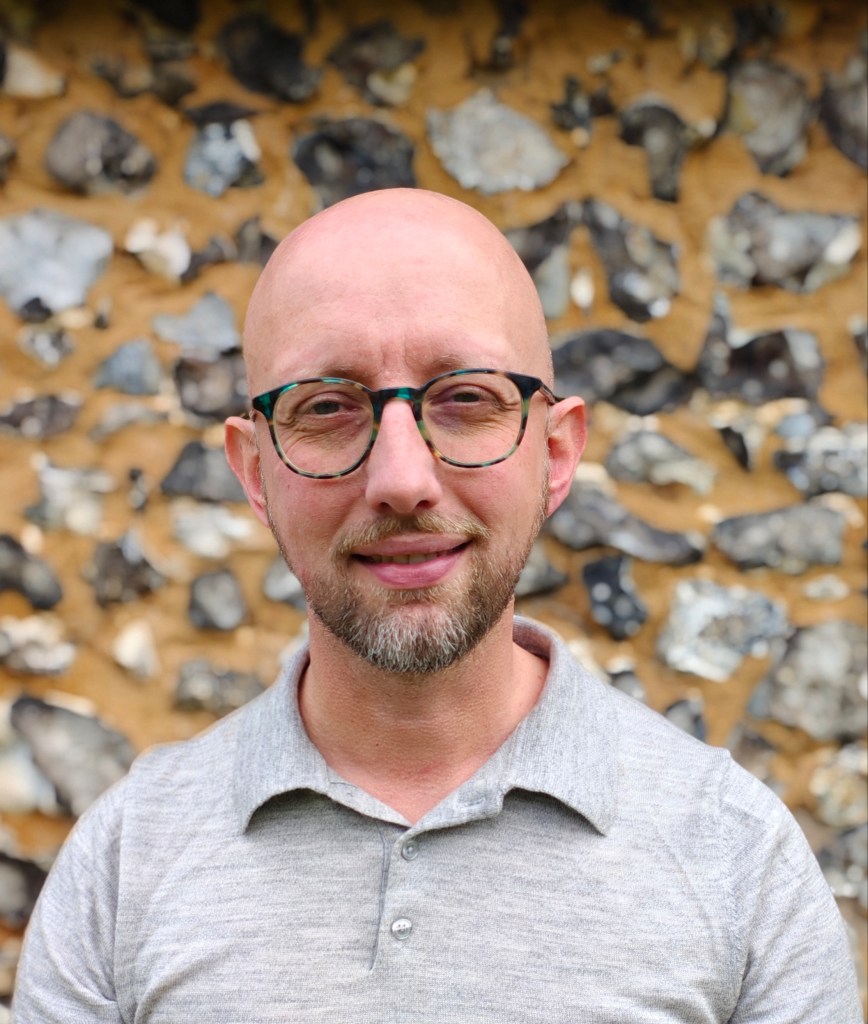
Gareth Clayton
North America and working with institutions across the UK
Gareth is an established Grants Director and has worked with a range of grant making Trusts and Foundations. He has a professional and academic background in the arts, culture and heritage sectors and has experience of working with Indigenous artists, language revivalists and communities. He is looking to work with organisations seeking financial support for repatriation and restitution projects and to forge connections with people doing similar work.
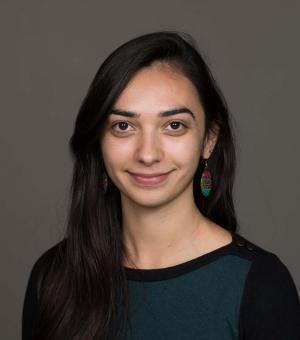
Joanna Cole
Joanna is Assistant Curator of Objects and Provenance at the Pitt Rivers Museum, University of Oxford. She works as part of a small team to provide care and access to the global collections held in the Museum, with a particular focus on provenance research and repatriation. Joanna has been involved in the repatriation of ancestors and cultural objects, from initial enquiries and working with claimants through to legal transfer and physical return.
Kate Compton-Gore
USA
National NAGPRA Training Coordinator

Lucas da Costa Maciel
The Americas
Lucas is the Co-Founder of the International Repatriation Network. Anthropologist, Art Historian, and Repatriation Practitioner. Lucas is a non-Indigenous member of the Kiñelmapu Koyawe Repatriation Commission, based in the Mapuche lands. His work focuses on the relations between repatriation, museum practices, provenance research and Indigenous ontological self-determination and land-claiming.
Alba Ferrandiz Gaudens
Mariana Islands, Micronesia
Alba Ferrándiz Gaudens is a postgraduate researcher at the Sainsbury Research Unit for the arts of Africa, Oceania and the Americas at the University of East Anglia. Her research looks at the circulation, agency and display of Chamorro objects in Spanish museums. Her thesis also focuses on the history of Chamorro collections in Spanish museums, the relationships between Chamorro and Spanish institutions and cultural revitalisation of ancestral practices in the Mariana Islands. She has worked as Assistant Curator for Pacific collections at the Peabody Museum of Archaeology and Anthropology, Harvard University
Alexandra Galindo
Global
Alexandra Galindo García is an anthropologist specializing in the restitution of ancestral remains, artworks, and cultural heritage looted during European and North American colonial expansions. Fluent in five languages, she combines field research with critical analysis of provenance, due diligence, and museum ethics. Her forthcoming dissertation explores the intersections of looting, repatriation, and colonial legacies. Alexandra has experience as a conservator and as a due diligence researcher in the international art market. She advocates for transdisciplinary collaboration and the ethical use of digital tools to trace and return displaced cultural heritage and ancestors.
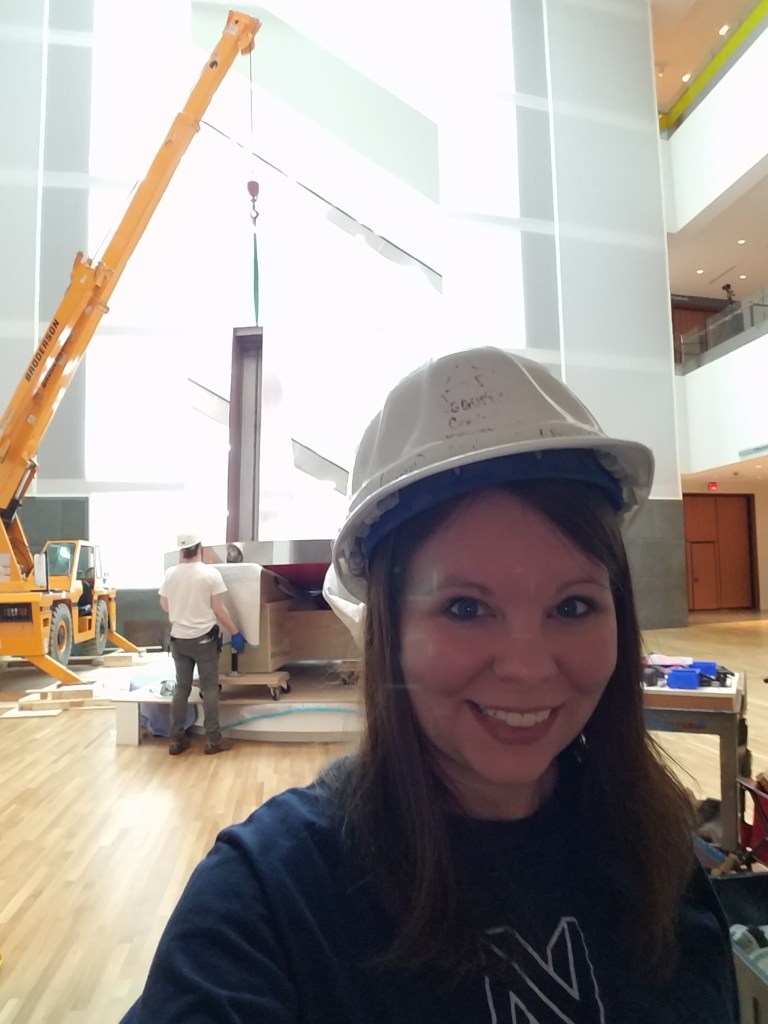
Jennifer Gallatin Rigsby
North America, Africa, Australia
Jennifer Gallatin Rigsby is the Registrar for Permanent Collections at the Indianapolis Museum of Art at Newfields and has been with the museum since 2014. She holds a Bachelors in Archaeology and History from the University of Indianapolis and a Masters in Museum Studies from Indiana University. Jennifer has dedicated over two decades to the preservation and stewardship of cultural heritage in the museum field at various institutions. Throughout her tenure at the IMA, Jennifer’s leadership and commitment to excellence have left an indelible mark on the institution. In 2016 she spearheaded the initiative to modernize Indiana’s Museum Property Law, advocating for reforms that would streamline the timeline and process for all Indiana museums. Under Jennifer’s guidance the museum’s deaccession process was restructured, resulting in the responsible disposition of thousands of objects from the museum’s collection. Additionally, she co-organized the museum’s first international repatriation, facilitating the return of culturally significant objects to their source community.

Bret Gaunt
UK, North America, SE Asia
Museum professional with 17 years experience. Awarded Headley Fellowship to repatriate collection back to indigenous communities. I continue to work as an advocate for the Haida Nation.
Heather Gill-Frerking
Heather Gill-Frerking is interested in the repatriation of humans and non-human belongings for academic purposes, but it not involved as a practitioner. She is particularly interested in the laws and policies surrounding the potential for return or retention of humans or non-human belongings.
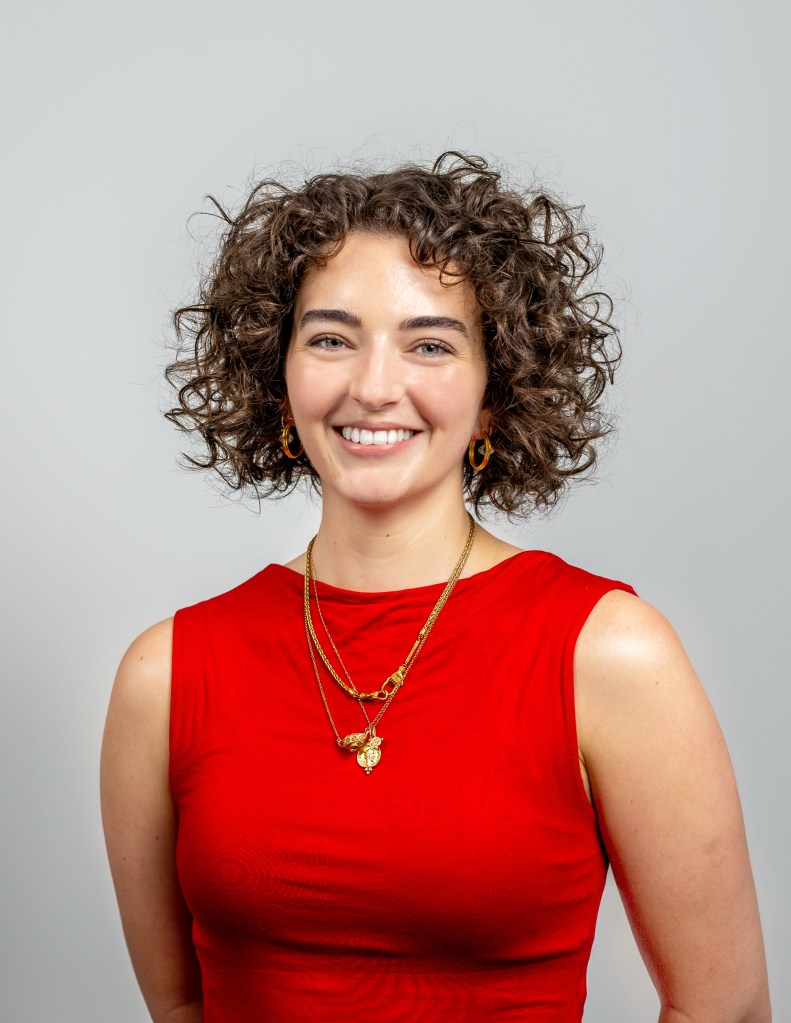
Madalyn Grant
United Kingdom, Germany, Austria, Australia, New Zealand
Madalyn is a PhD student and Gates Cambridge Scholar with the Department of Archaeology at the University of Cambridge. Prior to this, she was the Repatriation Manager at the University of Queensland for several years, where she worked across holdings of skeletal and pathology Ancestral Remains, cultural heritage materials, photographic collections, and landscape ‘features’. Her current research looks at repatriation, emotions, and the ways in which practitioners and researchers engage in these returns processes.
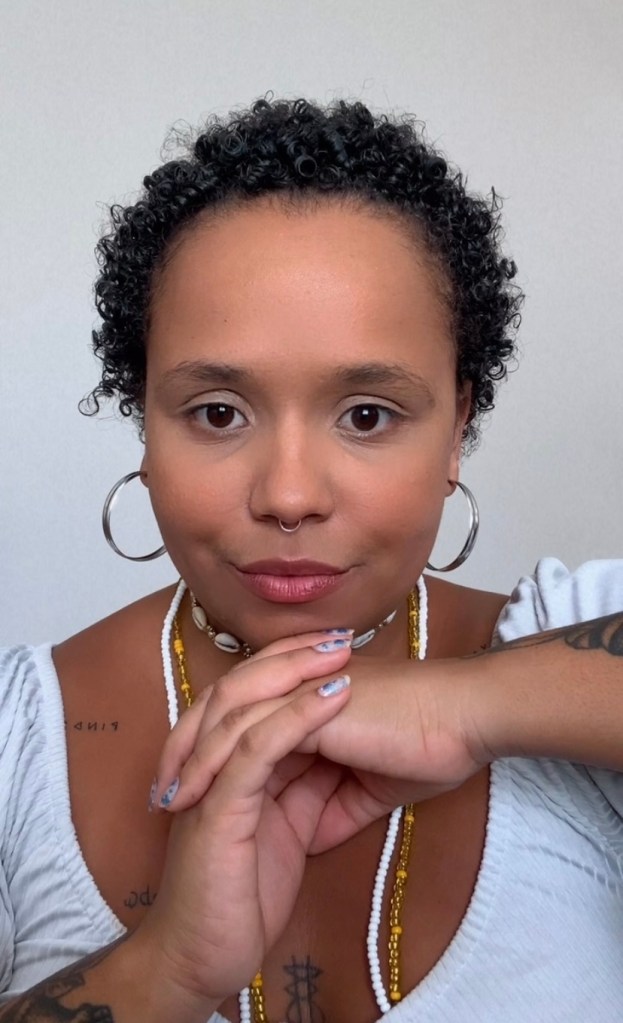
Jessica Hipolito
Brazil, Latin America, Americas, Africa, Portugal, UK, Netherlands
Museologist, with a master’s and doctorate in Social Memory, working in the fields of research and museum education with a focus on decolonisation, Afro-diasporic studies, and reparation. She is distinguished by her narrative interpretation of exhibitions and collections, as well as by her involvement in projects that promote diversity, cultural accessibility, and equity within museum spaces.
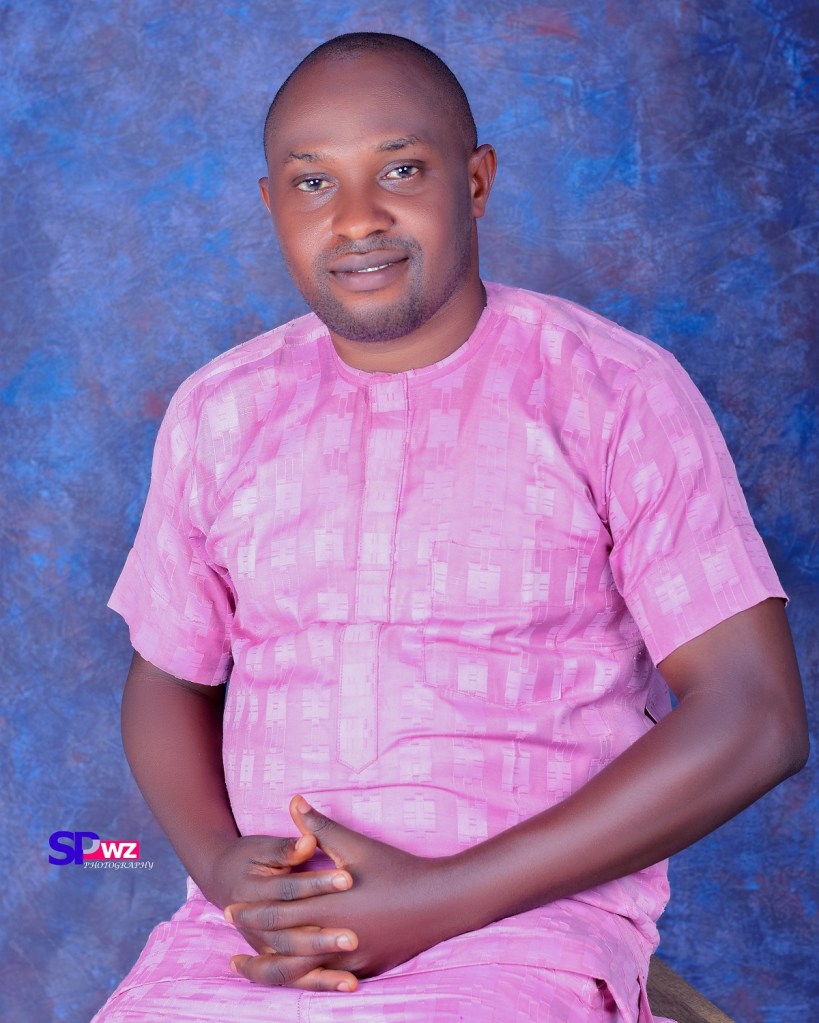
Peter Jegede
Nigeria, West Africa, broader Sub-Saharan Africa, and European countries involved in colonial-era collections (e.g. Netherlands, United Kingdom, Germany, France).
Peter Jegede is a Nigerian curator, researcher, and heritage consultant with over a decade of experience in museum practice, restitution advocacy, and geoarchaeological research. He was a key curatorial member of the Olusegun Obasanjo Presidential Library, and is currently a case study researcher with Open Restitution Africa, focusing on the return of three Ife cultural objects. His work explores the intersections of ancestral memory, cultural justice, and postcolonial heritage governance, with strong ties to local communities and national institutions. Peter is also completing a PhD in geoarchaeological investigations in Southwest Nigeria.

Luisa Karman
Brasil, West Africa, Latin America and the Caribbean
Luisa is a doctoral researcher from Brazil at SOAS University of London investigating Afro-Brazilian objects in UK museums to trace their biographies and consider possibilities of more dignified futures for this diasporic material culture.
Analysing the often unacknowledged role of the British Empire in Brazilian colonial exploitation, her work examines how the primitivising light cast upon African religiosity by Victorian anthropology influenced the appropriation and interpretation of continental and diasporic African objects along similar parameters.
She runs the bilingual multimedia platform Artinerario to share art historical content with Brazilian audiences and knowledge about Brazilian art with foreign audiences.
Christo Kefalas
New Zealand, United States, Canada
Currently the Senior Curator of Global and Inclusive Histories at the National Trust – leading as a consultant on histories of Empire, culturally sensitive collections care, repatriation policy, and inclusive language endeavours across all historic houses and gardens.
Mary Kenny
Brazil, U.S., South America
I am a cultural anthropologist and have conducted research in Brazil, Jamaica and the United States. My research has focused on the history of U.S. Confederates in Brazil, Afro-Brazilian culture and politics, child labor, migration and public health (community health assessments, reproductive rights). I have worked with UNFPA in Mongolia and New York, the NYCDOH (AIDS Research Unit) and was a Peace Corps volunteer in the Philippines (Community Health). I earned her M.P.H. (Public Health) and Ph.D. (Anthropology) from Columbia University. I was previously a Resident Scholar at the Smithsonian Institution, Center for Folklife and Cultural Heritage in Washington, D.C.

Lucas Lixinski
Latin America, Australasia, Africa, Europe
Lucas Lixinski is Professor at the Faculty of Law & Justice, UNSW Sydney. He is former Vice-President (Conference) of the Association of Critical Heritage Studies, and Director of Studies globally for the International Law Association. He researches and teaches across a range of areas, most notably cultural heritage and the law. His latest monograph is A Research Agenda for Cultural Heritage Law (Edward Elgar, 2024), where he explores the return of colonial cultural objects through four different legal methods, among other issues.
Diogo Machado
Worldwide
Dr Diogo Machado is a lecturer at Western Sydney University. He holds a PhD in Law (UNSW), an MSc in Criminology (University of Glasgow), and an LLB First-Class Honours (University of Brasília). Before entering academia, Diogo worked as an international lawyer, negotiating treaties and advancing international cooperation through meetings within the United Nations, G20, OECD, Interpol, FATF, European Judicial Network, Organisation of American States, Mercosur, and the International Association of Anti-corruption Authorities. His scholarship in criminal law and public international law bridges professional and disciplinary knowledge, with contributions to the fields of transnational crimes, cultural heritage, and criminology.
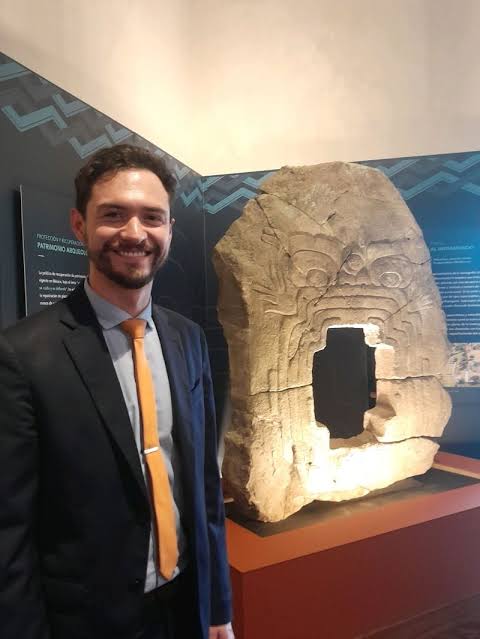
Oscar Macias
Americas
Former Director for Restitution at the Mexican Ministry of Foreign Affairs / Restitution Advocate
Kanika Makhija
South Asia
Kanika Makhija is a researcher and project manager with a multidisciplinary background in cultural heritage, digital infrastructures, and design research. Her work spans archives, museums, and academic institutions, where she has led user studies, coordinated large-scale exhibitions, and developed strategies to improve accessibility, metadata design, and audience engagement. With experience in both teaching and cross-cultural collaboration, she specializes in translating complex collections and historical narratives into inclusive, meaningful experiences for diverse publics.

Gabriel Matesun
Africa
Gabriel Olugbenga Matesun is a museum professional, researcher, and digital heritage advocate based at the University of Ibadan, Nigeria, where he currently serves in the Department of Archaeology and Anthropology. With over a decade of experience in museum practice, he has held multiple roles including Higher Museum Manager and Museum Information Officer actively contributing to collections management, exhibition planning, and public engagement.
Gabriel holds degrees in Computer Science, Information Science, and a clear understanding in field Archaeology/Anthropology which reflect his interdisciplinary interest in the intersection between technology, cultural heritage, and society. He is currently leading a three-year digitization project aimed at modernizing museum documentation processes and training interns in digital cataloguing, artefact handling, and community-focused storytelling. His academic and professional work explores how technology can be used to preserve, interpret, and present African cultural heritage in inclusive and accessible ways.
As a passionate advocate for diversity, education, and youth involvement in cultural institutions, Gabriel has organized several educational outreach programmes, exhibition initiatives, and training modules that bridge academic research with real-world museum engagement. His recent research interest lies in the role of museums in addressing postcolonial narratives, health heritage, and digital transformation.
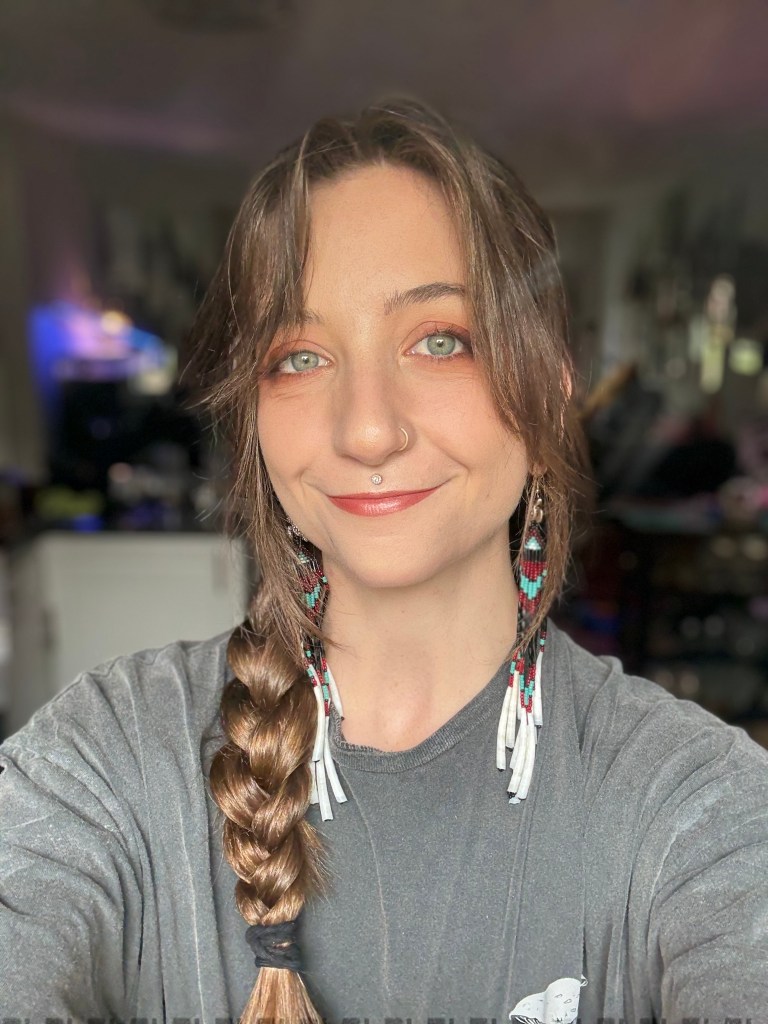
Kay Mattena
U.S
I am a citizen of the Citizen Potawatomi Nation and I’m the Program Associate for the Association on American Indian Affairs, and I assist with the the Association’s collaborative outreach strategy for International Repatriation.
Verena Melgarejo Weinandt
Germany, England
Verena Melgarejo Weinandt is a German-Bolivian artist, curator, educator and researcher. She is currently a Project Manager and Artistic Researcher at the ERC- Repatriates Project at the Central European University Vienna. Before that she was a researcher at the University of Arts Berlin as part of the Research Group „Knowledge in the Arts”.
For her current artistic research project as part of Repatriates, she coined the name “Pocahunter” to encapsulate her experience of being hunted by the Disney- fiction of Pocahontas. This series exposes how stereotypical representations of Indigenous women fuel anti-Indigenous racism, and how colonial fantasies shape cultural and institutional practices, especially in relation to repatriation. She examines cases where the return of Indigenous belongings and ancestors are either impossible or obstructed by institutions. What role do colonial fantasies—shaped by literature and mass media, such as the works of German author Karl May and his fictional character “Winnetou” or the figure of Pocahontas—play in what remains immovable or unused, confined to storage or displayed in museums? How can we attend to, understand, and grasp this interplay between fiction and reality, how they influence and create one another? Finally, how can we use this understanding to imagine and create change, fostering healing from the impact of these fictions?https://repatriates.org/pocahunter/about-the-artistic-research-project/

Paul Minivelle
Asia – China, Japan
Provenance researcher specializing in the history of Asian artworks in french public collections during the 19th century. My recent work, conducted for the Musée de l’Armée and as part of my master’s thesis at rhe Ecole du Louvre, focused on Chinese objects taken during the Second Opium War. I draw on archival, material and contextual sources to reconstruct the history of collections and contribute to their understanding and appreciation.

Francisco Nahoe
Rapa Nui, Polynesia, Pacific Islands
Francisco Nahoe is Rapa Nui and serves as the delegate of Te Mau Hatu, the Easter Island council of elders, for the recovery and repatriation of Rapa Nui ancestral remains. He holds a PhD in Renaissance Literature from the University of Nevada, a ThM in Biblical Studies from Harvard Divinity School, and an MA in Comparative Literature from Dartmouth College. His scholarly research focuses on Milton’s Italian verse, Anglo-Italian literary transactions, rhetoric of science, and Easter Island Studies. A Catholic priest and Franciscan friar, he teaches rhetoric and philosophy at Zaytuna College, a Muslim liberal arts institution in Berkeley, California.
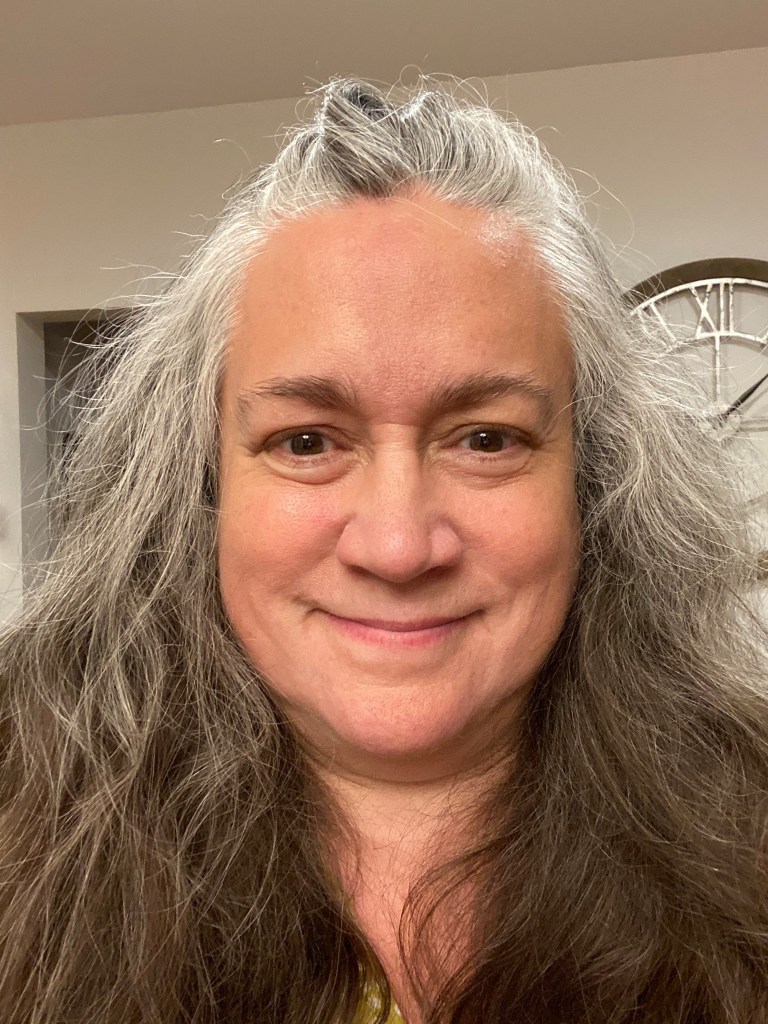
Angela Neller
Hawaii, Columbia Plateau, United States
Angela Neller is a Native Hawaiian scholar and curator with 35 years of experience managing archaeological, ethnographic, and archival collections. She has served as the Curator at the Wanapum Heritage Center in Washington State since 2002, supporting repatriation efforts for the Wanapum Band and collaborating with Columbia Plateau tribes. Neller holds a Master’s in Anthropology from the University of Illinois and is an adjunct faculty member at Central Washington University. She advocates for Indigenous rights and contributed to the design of the Wanapum Heritage Center, a world-class facility for preserving Native identity. Her publications cover curation, repatriation, and archaeological collections.

Tamara Newton
UK, East Africa, North America, Oceania
I am currently undertaking a PhD in History of Art, focusing on the repatriation of cultural heritage belongings from UK museums to Indigenous communities. Supported by the University of Birmingham’s Haywood Scholarship and the WM & BW Lloyd Charity, my research evaluates best practices for returning culturally significant belongings. I aim to reform the repatriation process, alleviating the burdens on Indigenous claimants and emphasising their perspectives. Upon completing my doctoral studies (2026), I plan to establish a consultancy to facilitate repatriation efforts and educate UK museum professionals on effective restitution practices, fostering partnerships between institutions and Indigenous communities.
JC Niala
The African continent, India
Dr JC Niala is a historian and anthropologist, currently Head of Research, Teaching, and Collections at the History of Science Museum, University of Oxford. Her work spans museums, libraries, and the arts. She previously led the ‘Rethinking Relationships and Building Trust Around African Collections’ project, fostering collaborative, community-led approaches to reimagining the futures of African collections held in European Museums. JC is passionate about reinterpreting collections and reshaping museum practices to build more equitable, transformative relationships between institutions and the communities they serve.
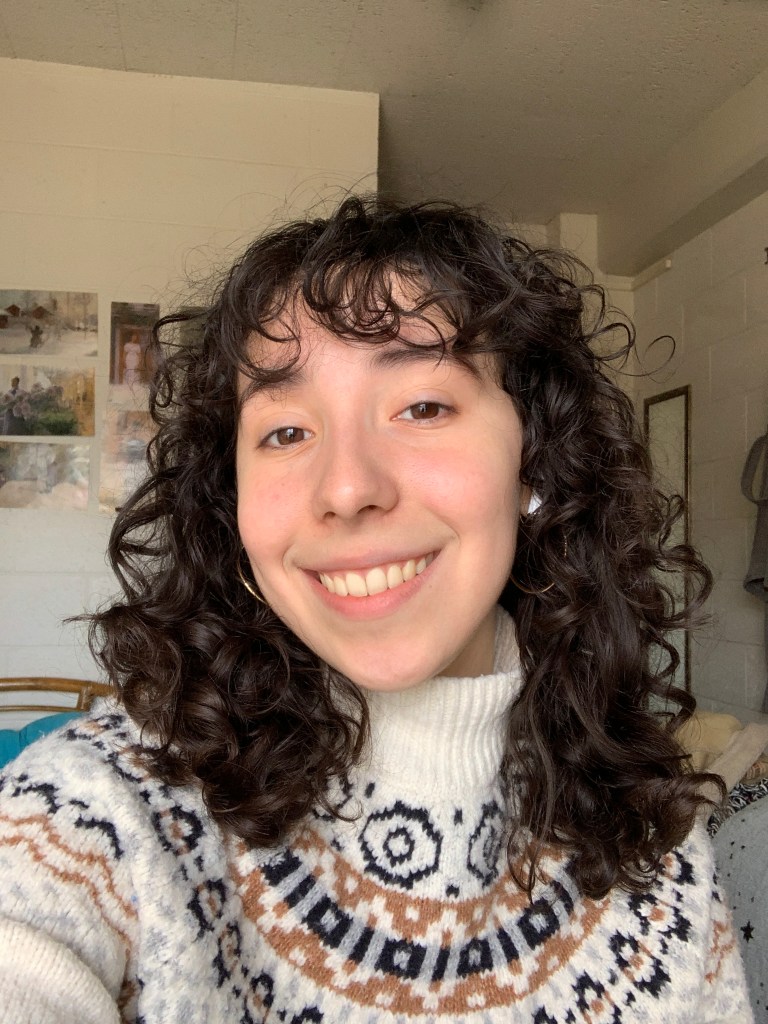
Julia Noriega
North America
Julia Noriega is an early musuem professional engaging in decolonial museum work and is focused on assisting museum archive NAGPRA compliance. Julia is a graduate of Wesleyan University were she received a Bachelors degree in Anthropology.

Garance Nyssen
French Polynesia (Tōtaiete and Tuāmotu), France, United Kingdom
Garance Nyssen is a CHASE-funded PhD student at the Sainsbury Research Unit for the Arts of Africa, Oceania and the Americas at the University of East Anglia. Working in French Polynesia, her research contributes to studies around returns and circulation of heritage in the context of museum decolonisation processes. She is specifically interested in the aftermath of returned objects in the Tōtaiete/Society Islands and the Tuāmotu archipelago. Garance is also the co-founder of CASOAR, a blog and association dedicated to the arts, history and anthropology of Oceania.
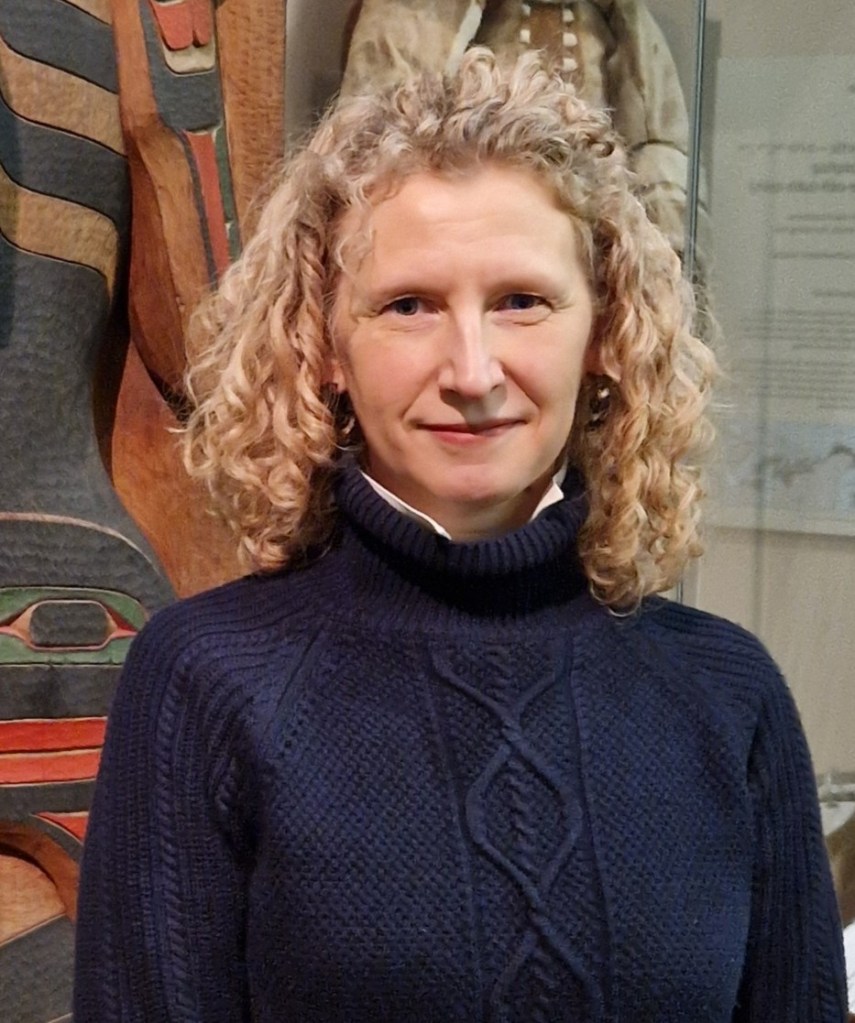
Meghan O’Brien Backhouse
The collections in my care are Global, so I am a generalist.
I am the Lead Curator for Global Cultures collections at National Museums Liverpool in the UK. I am also the Chair of MEG (the Museum Ethnographers Group), a subject specialist network for people who care for, are related to, research, are inspired by World Cultures collections in museums. I have previously worked at the Pitt Rivers Museum, Oxford, and social history museums in the US. My professional background is in collections care and documentation and collections research. My current focus is on sharing information about the belongings in my care far and wide, and developing ethical and equitable partnerships with originating and local communities.
Alana Okonkwo
Africa and Pacific
I am an aspiring cultural heritage restitution lawyer. I research the provenance of cultural belongings at university museums across the United States.
Shannon O’Loughlin
U.S.
Shannon O’Loughlin is a citizen of the Choctaw Nation of Oklahoma and serves the Association on American Indian Affairs as its Chief Executive and Attorney. The Association works directly with Amy Shakespeare for international repatriation with Native Nations within the U.S.

Naomi Oosterman
Latin America
Naomi Oosterman is an Assistant Professor of Cultural Heritage at the Department of Arts and Culture Studies, and Vice-President Research Chapters of the Association of Critical Heritage Studies. Her research interests are the illicit trade of arts and antiquities (with a particular focus on Latin America), the policing of art and heritage crimes, and contested and colonial heritage. She is the editor (with Dr. Donna Yates) of the volumes Crime and art: Sociological and criminological perspectives of crimes in the art world and Art Crime in Context, which were the first volumes dedicated to the sociological and criminological study of art and heritage crimes. In 2024, she published the volume (with Camila Malig Jedlicki and Dr. Rodrigo Christofoletti) Colonial heritage, conflict, and contestation: Negotiating decolonisation in Latin America which explores, among other things, the relationship between the illicit trafficking of cultural objects and decolonial thought. Currently, she is the PI of the LDE Global Initiative project titled Policing the Illicit Trade in Cultural Objects: A pilot in Argentina, which examines decision-making processes and attitudes of public policing actors in the policing of art and heritage crimes.
Izabella Parowicz
Poland, Europe
A Polish scholar, she holds MA degrees in Management and International Relations from the Poznań University of Economics in Poland and in Cultural Heritage Preservation from the European University Viadrina in Frankfurt (Oder), Germany, where she also earned her doctorate and habilitation. She is currently a senior researcher at the European University Viadrina and the coordinator of the MA course “Strategies for European Cultural Heritage.” Her academic work focuses on cultural heritage management and marketing, supported by two Marie Skłodowska-Curie fellowships funded by the European Commission, during which she conducted research at the University of Malta and the European University Viadrina.
With over 35 years of experience as a genealogist, she contributes to memory studies, focusing on the use of genealogical findings to uncover overlooked aspects of family, regional, and local heritage.
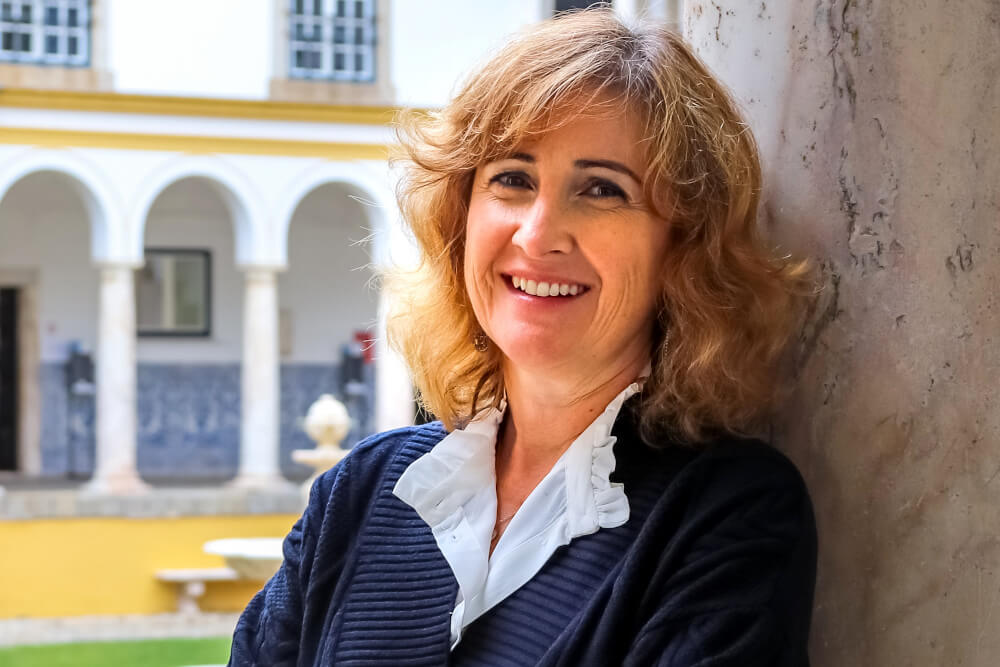
Elisabete Pereira
Africa and Asia
Elisabete Pereira (PhD) is the curator of the exhibition ‘Facing the colonial legacy in the Museum’ (Portugal, 12-03-2025 to 31-10-2025), one of the outputs of the R&D Provenance reserch project ‘TRANSMAT – Transnational materialities (1850-1930): reconstituting collections and connecting histories’ (FCT – PTDC/FER-HFC/2793/2020), which she coordinated between 2021 and 2025. She is an integrated researcher and board member (2023-2026) of the Institute of Contemporary History (Universidade Nova de Lisboa/Universidade de Évora).
Michael Pickering
World
Dr Michael Pickering is an independent researcher with a focus on First Nations Heritage. He has worked extensively with Aboriginal and Torres Strait Islander organizations, State and Territory heritage agencies, and museums across Australia over 45 years.
He has a wide range of research interests and has published articles on topics ranging from material culture, cannibalism, settlement patterns, museum exhibitions, museum ethics, workplace health and safety, and repatriation.
María Ruigómez Eraso
Spain, Europe
María is a young scholar of Heritage Studies. In her research, she focuses on atonement acts and their relationship to collective memory, with a particular emphasis on Spain. She has experience conducting provenance research, archival research, and interviews with affected communities. She will begin her PhD at the Cambridge Heritage Research Centre in October.
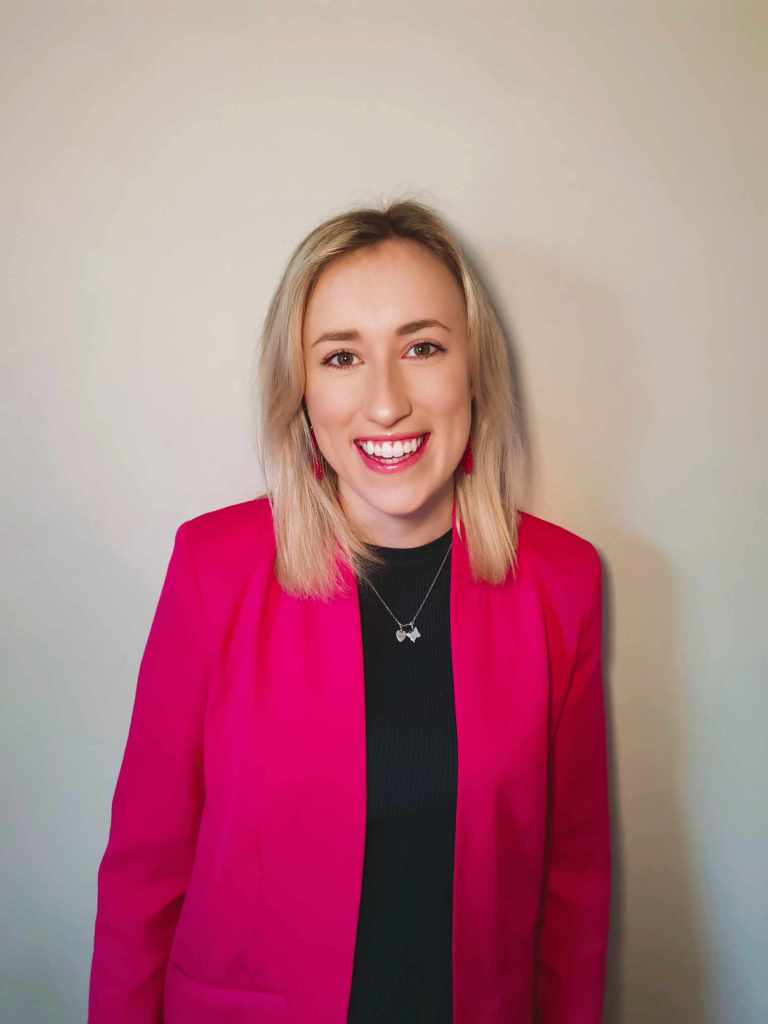
Amy Shakespeare
UK, Europe, North America
Amy is the Founder of Routes to Return and Co-Founder of the International Repatriation Network. Based in Cornwall, England, she is a PhD Candidate working to enable European museums to pursue repatriation through more anticolonial processes. With over a decade’s experience in the UK’s museums and heritage sector, including the National Trust and the National Lottery Heritage Fund, Amy now works as an independent repatriation consultant, through Routes to Return. She is currently working for the Association on American Indian Affairs’ as their International Repatriation Specialist, leading on their International Repatriation Strategy. She also serves as the Repatriation Officer for the Museum Ethnographers Group and sits on the British Committee for the Reunification of the Parthenon Marbles.

Craig Shapiro
Pacific Islands
Craig Shapiro is an archaeologist who studies the function of prehistoric agricultural systems in Sāmoa, where he previously served as a United States Peace Corps Volunteer. Craig is interested in human-environment interactions, the evolution of social complexity, and prehistory in the Pacific Islands as well as applying the frameworks of niche construction to answer research questions relating to such topics.
Jill Shapiro
I am a biological anthropologist who focuses primarily on hominoid morphology and evolution. I am also responsible for the human remains in our custodial care which are part of the larger osteological holdings.
Julia von Sigsfeld
Germany
Social scientist and currently Restitution Officer at the Ethnological Museum Berlin / Asian Art Museum

Alice Sprason
UK, New Zealand
Heritage (restitution and repatriation) project manager leading on the delivery of the Hinemihi exchange project at the National Trust (England, Wales and N Ireland).
Working cross culturally as part of a unique international partnership to return Hinemihi to her home in Aotearoa in exchange for new original carvings to establish a renewed wharenui at Clandon Park, Surrey.
https://www.nationaltrust.org.uk/visit/surrey/clandon-park/a-new-future-for-hinemihi

Lyssa Stapleton
Worldwide
Dr. Lyssa C. Stapleton earned her BA in Anthropology with a Museum Studies minor from Cal State East Bay and her MA and PhD in Archaeology from UCLA. She is Director of the Waystation Initiative and Administrator of the Graduate Certificate Program in Cultural Heritage Research, Stewardship, and Restitution at UCLA’s Cotsen Institute of Archaeology. Her research examines 20th- and 21st-century collecting practices, decolonization, stewardship, collaborative curation, and voluntary returns. She also shapes cultural heritage policy and fosters dialogue among museums, nations, and source communities. As a field archaeologist, she has worked in Armenia, Albania, Hungary, and the U.S.

Charla Strelan
Australia
I am a social anthropologist and museum professional specialising in the repatriation of Ancestral Remains and cultural heritage to First Nations communities. My work is dedicated to building a future where museum collections are truly decolonized, serving as spaces for cultural vitality and expression, and fostering enduring, meaningful relationships with community.
Kendall Stevens
Virginia, North Carolina, East Coast USA
Kendall (she/her) is a non-Native employee and representative of the Pamunkey Indian Tribe in Virginia.
Jayne-Leigh Thomas
United States, Scotland, Slovenia
Dr. Jayne-Leigh Thomas is the Executive Director of the Office of the Native American Graves Protection and Repatriation Act (NAGPRA) at Indiana University. She has over 12 years experience in repatriation, both within the United States and internationally. Her research interests are NAGPRA, repatriation, ethics, bioarchaeology, cremation studies, mortuary practices, and ancient agriculture.
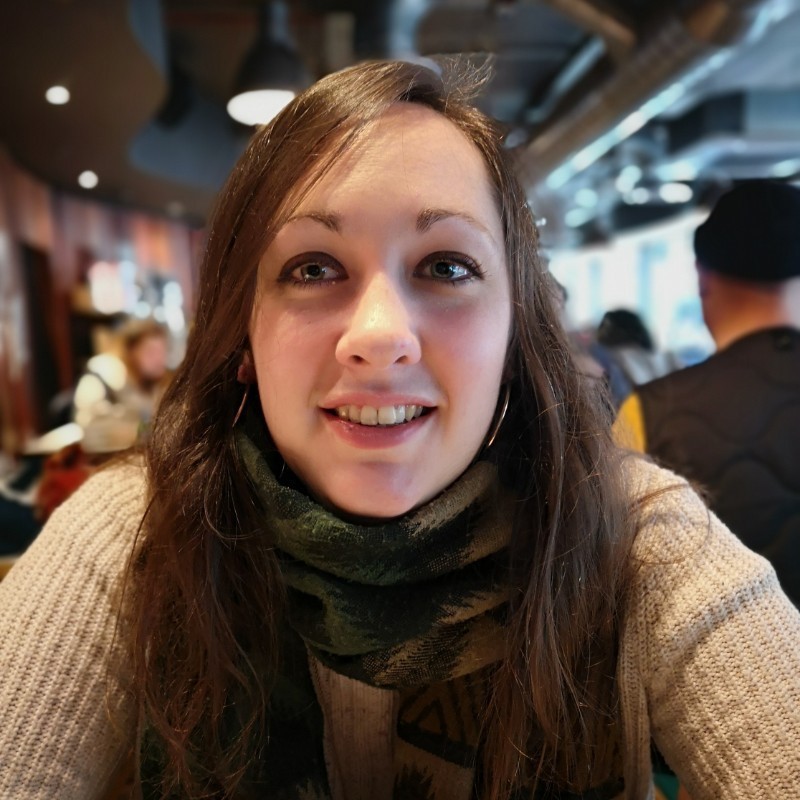
Portia Tremlett
I am Curator of the Designated World Art collections at Brighton & Hove Museums, containing more than 16,000 objects from Africa, Asia, the Pacific and the Americas, and including many different kinds of objects: masks, sculpture, textiles, domestic tools, agricultural tools, hunting and fishing implements, religious artefacts and more.
I am a hardworking and ambitious museum professional with over 10 years of experience in collections management, exhibition programming, project management and museum education. Having secured numerous ACE and NLHF grants, I have extensive experience in managing large and small scale projects, including the development of high quality exhibitions and innovative engagement programmes.

Thomas Torma
Global
Dr. Thomas Torma is the Repatriation Coordinator at the University of Kansas, where he manages international and domestic repatriation efforts. He holds a PhD in Celtic Studies and has a background in anthropology. Dr. Torma has worked on repatriation from both tribal and museum perspectives, with experience across academic, museum, and federal contexts. His work emphasizes ethical stewardship, collaboration, and the respectful return of ancestors and cultural items.

Dr Jackie Veninger-Robert
North America, South America, UK, France
As a repatriation practitioner and archaeologist, I have been committed to community-informed research and social justice since the foundation of my career.
Now a repatriation consultant, I have worked in heritage management for Tribal governments, museums, academia, and federal agencies, where I gained considerable social justice and heritage stewardship expertise in diverse roles. I received my PhD in archaeology from the University of Exeter, focusing on contested landscapes, conflict and heritage of historically marginalized populations. I also have taught courses on the decolonization of museum anthropology and heritage law, and I have experience drafting successful legislation safeguarding traditional cultural knowledge.

Haidamteu Zeme
Himalayan Regions, Northeast borderlands, South Asia
Haidamteu Zeme is a doctoral fellow in Literature and a Teaching Assistant at the Department of Humanities and Social Sciences at the Indian Institute of Technology Delhi, India. Her research interests include comparative literature, translation studies, and affective archives. She is the 2024-2025 Sher-Gil Sundaram Arts Foundation and Asia Art Archive (SSAF-AAA) Grantee for Archiving Histories of Ideas, Art, and Visual Cultures https://ssaf.in/grants/2024-haidamteu-zeme-n/ . She was the recipient of the Zubaan Research Grant for Young Researchers from Northeast India (2022-2023) https://zubaanprojects.org/blog/ and a Summer School Fellow at the Highland Institute, Nagaland (2024). Two of her essays on translation and oral archives have been published by South Asian Review (2023) https://doi.org/10.1080/02759527.2023.2200622 and International Society of Folk Narrative Research (2024) https://isfnr.org/2024/12/the-latest-newsletter-number-12-2024/ . Haidamteu’s prose poem on Manipur was published in SAPIENS (2024) https://www.sapiens.org/?s=Haidamteu.
 Routes to Return